5 FOODS TO BOOST YOUR VITAMIN D
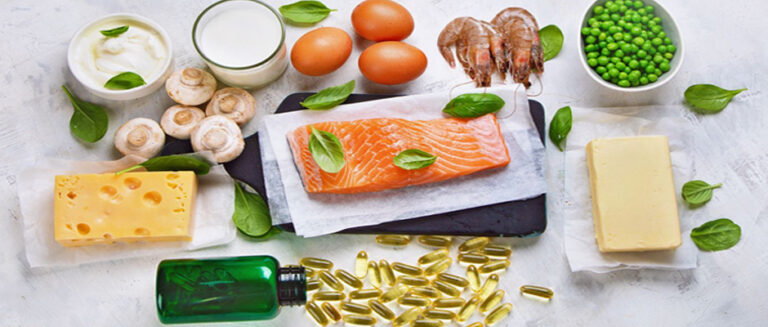
Vitamin D, known as the “sunshine vitamin” is an essential anti-inflammatory and immune-boosting vitamin with a variety of important health benefits. Vitamin D can help to activate the germ-fighting power of our immune cells to protect us in the presence of infection, as well as boost mood, keep our muscles healthy, and aid in the absorption of calcium and phosphate, and that helps to keep our bones and teeth strong.
Lorem ipsum dolor sit amet, consectetur adipiscing elit. Ut elit tellus, luctus nec ullamcorper mattis, pulvinar dapibus leo.
Are you getting the right amount of Vitamin D?
According to the national institute of health, exposure to the sun between 10 am to 3 pm twice a week for 5-30 minutes without sunscreen can be enough to generate a healthy amount of vitamin D. But since our body requires sunlight to produce vitamin D it can be quite easy to become deficient, especially in colder climates
Most people obtain adequate vitamin D from the month of late March to the end of September through exposure to sunlight and a balanced diet. But due to current modern lifestyles, spending much of our time indoors can prevent adequate exposure to sunlight and can interfere with and even prevent a healthy amount of vitamin D production in the body.
Certain groups of people are at a greater risk to develop vitamin D deficiency, which includes:
- Older populations.
- People with limited exposure of sunlight
- People in cloudy regions or cold winter climates
- People with dark skin.
- People with obesity.
- People with digestive problems that can cause malabsorption.
- People in quarantine.
The Best Ways to Get Enough Vitamin D
The best way to get enough vitamin D is through exposure to the sun, however; if your exposure is not enough then try to add food sources that are rich in vitamin D. If you find it difficult to achieve the right level of vitamin D, then dietary supplements are highly recommended.
The Institute of Medicine has verified the Recommended Dietary Allowance (RDA) expressed in International Units or IU. For ages from 1- till 70 years the RDA of vitamin D is 600IU per day, while 800IU per day is recommended for people above 70 years. These values can be varied up to 5000 IU per day depending upon health needs.
Food Sources of Vitamin D
An essential fat-soluble vitamin, here is a list of some of the best natural and fortified Vitamin D containing foods. You’ll notice the majority of the foods on this list that contain vitamin D naturally are from animal sources.
Egg yolk

While eggs are a popular food in breakfast, lunch, dinner, and many dessert recipes, most of the vitamin D content in eggs is found in the yolk. So, if you’re going to eat an egg it is important to eat it a whole egg. The amount of vitamin D in egg yolk can depend upon the sun exposure and presence of vitamin D enriched content in the hen’s feed. Commercially raised hen eggs typically contain 37 IU of vitamin D in their yolk. Whereas eggs obtained from hens raised in an outside environment have three to four times greater vitamin D. Cooking time does not have much influence on the vitamin D content of eggs; however, some reports demonstrate eggs boiled for 10 minutes may cause a reduction in vitamin D by 6-11% when compared with raw eggs. But, hang on! Eating eggs alone won’t give you your daily vitamin D requirement.
Get your Vitamin D from Mushrooms
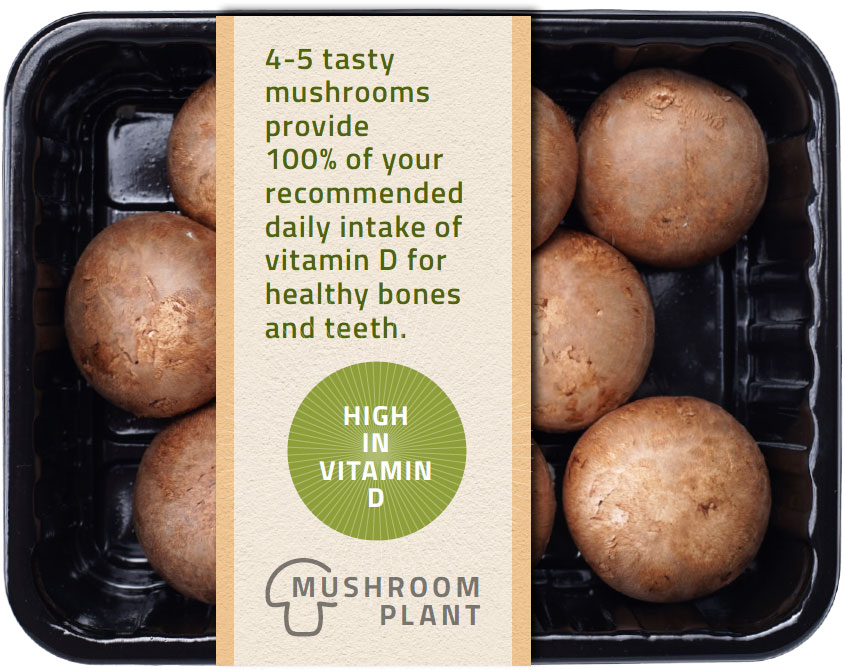
Mushrooms are the only plant-based foods that can provide a high content of vitamin D and make an ideal source of vitamin D for vegans and vegetarians.
When humans are exposed to the rays of the sun, a chemical reaction happens in our skin that turns ergosterol (a precursor of vitamin D) into Vitamin D₂. When mushrooms are exposed to UV light, the same exact reaction occurs resulting in a plant-based form of vitamin D that is bioavailable and can be absorbed by the body just like vitamin D3. And it’s no surprise that mushrooms grown outside and exposed to direct sunlight have a much higher content of vitamin D as compared to indoor-grown. This means the vitamin D2 that you’re getting from mushrooms is exactly the same that you’d get from pharmaceutical supplements in the same form.
Adding a variety of mushrooms to your diet can offer a powerhouse of immune-boosting nutrients and can help to maintain vitamin D levels throughout the winter season.
Beef Liver
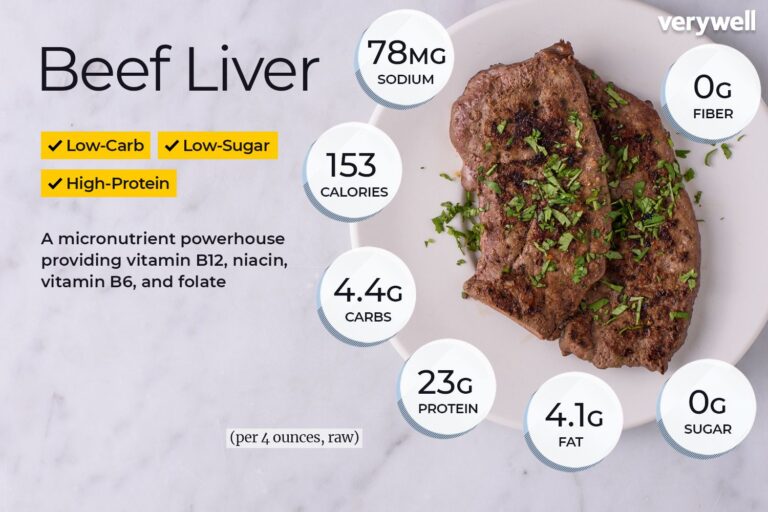
If you enjoy beef and don’t mind eating organ meats, then beef liver can be a highly beneficial food to consume. The liver is a storage organ with significant health benefits and is an excellent source of vitamin D along with other nutrients, including vitamins A, K, C, and more. A cooked, 3.5 ounce serving of beef liver contains approximately 42 I. U of vitamin D. And consuming a single serving of beef liver can help you to meet your daily recommended amount of all vitamins, minerals, along while lowering the risk of nutritional deficiency. Beef liver also helps in maintaining the skeletal system, reducing the risk of osteoporosis and anaemia, and organ meats, in general, hold 10-100 times higher nutrients than corresponding muscle meat.
Beef liver is usually grilled or sautéed and preferred as the main course in many cultures such as South Asian, South American, and Italian cuisines. In fact, you may be surprised to know that certain cultures only eat organ meats, while lean cuts were discarded or perhaps given to dogs.
A popular objection about eating liver is the belief that it stores toxins. While it is true that liver helps detoxify the blood and eliminate toxins from the body, the liver does not store them.
Always remember that it’s more beneficial to eat organ meat from animals that have been farm-raised and pasture-fed than commercially raised with antibiotics, hormones, and low-quality feed. Pasture-raised animals contain much higher nutrients than animals from commercial feedlots.
Note: Since liver has a potent amount of nutrients per serving, you may want to consult your doctor before adding a significant amount of liver to your diet.
If you’d like the nutrients that liver can offer in your diet, but really don’t like the taste, desiccated liver supplements are a great option.
Cheese
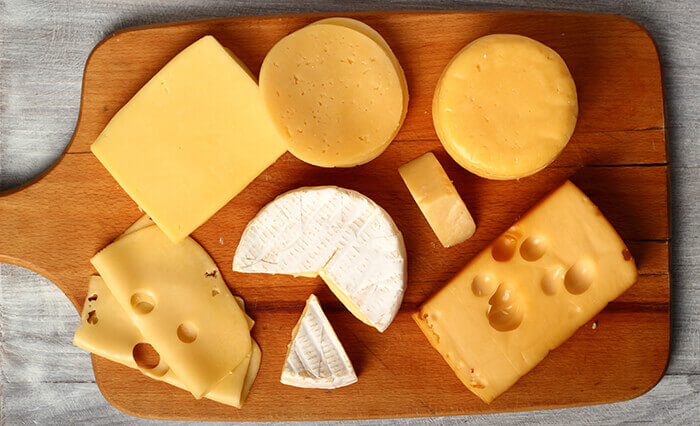
Who doesn’t love cheese? While you might be surprised to know that most cheeses contain a low amount of vitamin D, cheese obtained from fortified milk of farm-raised animals provides a much higher content of vitamin D and other nutrients overall. While all cheese should be consumed in moderation, it may help to protect your bones, teeth, and cardiac health.
Cheese also contains vitamin K and calcium which work together with vitamin D to increase absorption and regulate bone function. The content of vitamin D in cheese depends upon the type of cheese consumed. For example, American cheese holds 259 I.U per serving, while mozzarella contains 16 I.U per serving.
There are so many delicious cheeses and cheese-based recipes from around the world to enjoy, but Queso Fresco, Cheddar, Muenster, and Fontina cheese all make excellent choices for a little boost of vitamin D into your diet. Cooking time may also influence the nutritional content of cheese. When you pasteurize dairy with intense heat, several beneficial effects are significantly reduced.
Orange juice
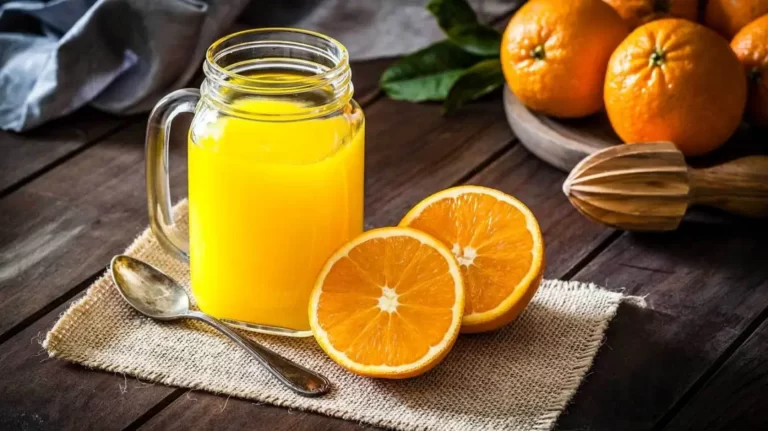
Orange juice is one of the most popular beverages in the world. Regular consumption of fresh orange juice provides a wealth of vitamin C and potassium. However, orange juice does not contain vitamin D naturally. Therefore, orange juice is fortified with vitamin D and calcium to obtain the daily recommended content to help people meet their daily needs. According to USDA, one cup of fortified orange juice contains up to 100 I. U of vitamin D.
With nearly 75% of the global population experiencing lactose intolerance, and 2-3% with a milk allergy (Silanikove, Leitner, & Merin, 2015), fortified orange juice can be a great option to get additional vitamin D. Look for products with little to no added sugar to get the most benefits.
The Final Word
While adding these foods to your diet can be a great way to add vitamin D to your diet, it can be extremely difficult to get all the Vitamin D you need from diet alone on a daily basis. That’s why supplementing daily with anywhere 1,000 to 4,000 IUs of Vitamin D per day is recommended by health experts to help you get what you need to stay healthy. Be sure to consult your doctor or a medical professional before having your vitamin D levels checked to determine what dosage may be right for you, or if you need a higher therapeutic dose to bring low vitamin D levels back within the normal range.