BEST FOODS YOU MUST ADD TO YOUR DIET FOR HEALTHY SKIN
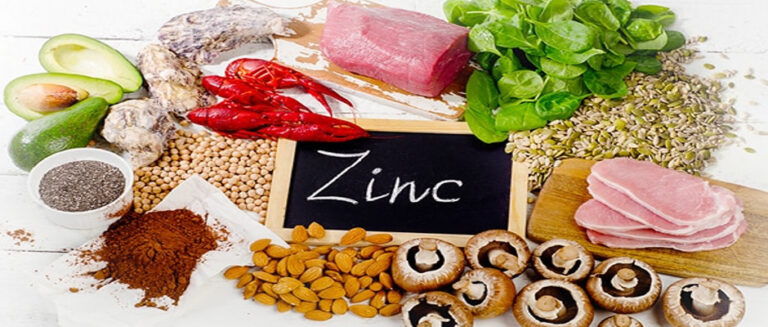
Proper nutrition is crucial for your overall health. However, what you eat also affects your skin quality, and if you are wondering what the best foods for healthy skin are, we have an entire list for you here.
No skin care routine will work well if you do not include foods rich in antioxidants, vitamins, and essential minerals in your diet. They nourish the skin cells, reduce oxidative stress, promote collagen development, and regulate many other important metabolic factors for maintaining healthy and youthful skin.
1. Turmeric
Turmeric, a golden yellow fleshy root, is popularly used as a spice. The active component of turmeric, curcumin, has antimicrobial, antioxidant, anti-inflammatory, and antineoplastic properties. Theres growing scientific evidence that turmeric, whether consumed or applied topically, may help in the treatment of psoriasis, skin cancer, hyperpigmentation, skin infections, and skin aging.
Consume ½ an inch of washed and peeled turmeric root first thing in the morning. Chew it properly and wash it down your throat with water. You can also add freshly grated turmeric to a glass of milk before bed (avoid dairy if you have hormonal acne). You may even apply turmeric paste to your skin (mix with Fullers earth, gram flour, aloe vera, etc.) to visibly reduce pigmentation, acne, and scars.
2. Tomato
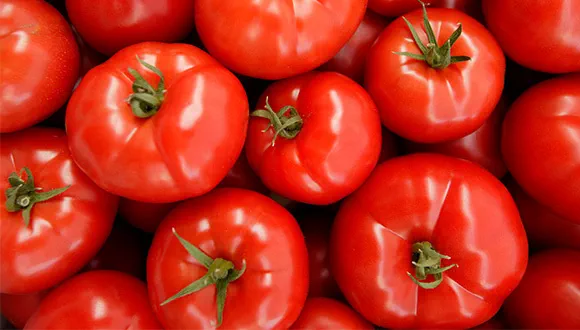
Tomatoes are rich in lycopene, a carotenoid that acts as an antioxidant and also gives tomatoes the luscious red color. Lycopene helps scavenge the harmful oxygen radicals that cause toxic build-up resulting in skin rashes, acne, and aging. Scientists at the National School for Healthcare Science (NHS), examined to see if tomato paste can protect human skin from UV radiation-induced erythema. It was found that tomato paste can actually protect your skin against photodamage.
Include tomato in curries, salads, grilled veggies, etc. You can drink tomato juice. Apply tomato juice (mix with gram flour) as a face mask.
3. Carrot
Carrot is rich in beta-carotene, a carotenoid that gives the carrots their red or orange color. Beta-carotene has antioxidant properties that prevent cell and DNA damage. However, you must avoid overconsumption of carrots as it may cause discoloration of the skin.
Add carrots to your stew, bake a carrot cake, add it to stir-fried veggies or to your salad, drink carrot juice or smoothie to get the best benefits of carrot for your skin.
4. Papaya
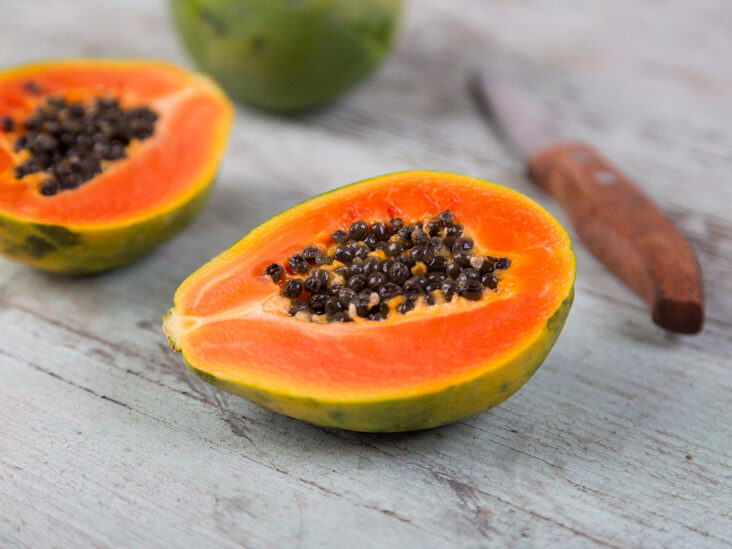
Sweet and delicious, papayas contain enzymes papain and chymopapain, vitamins A, C, and B, and dietary fiber. The fruit improves bowel movement and digestion and also regulates blood pressure. This, in turn, can help you get fresh and infection-free skin as better digestion means you will be flushing out toxins that can prevent acne and pigmentation. The antimicrobial activity of papaya was also found to help treat burns in children.
Consume a mix of ripe and unripe papaya. Boil the unripe papaya or make raw papaya salad. Eat ripe papaya as is or add it to smoothies. You can also apply papaya flesh to your skin every other day to get smooth and glowing skin.
5. Neem Leaves
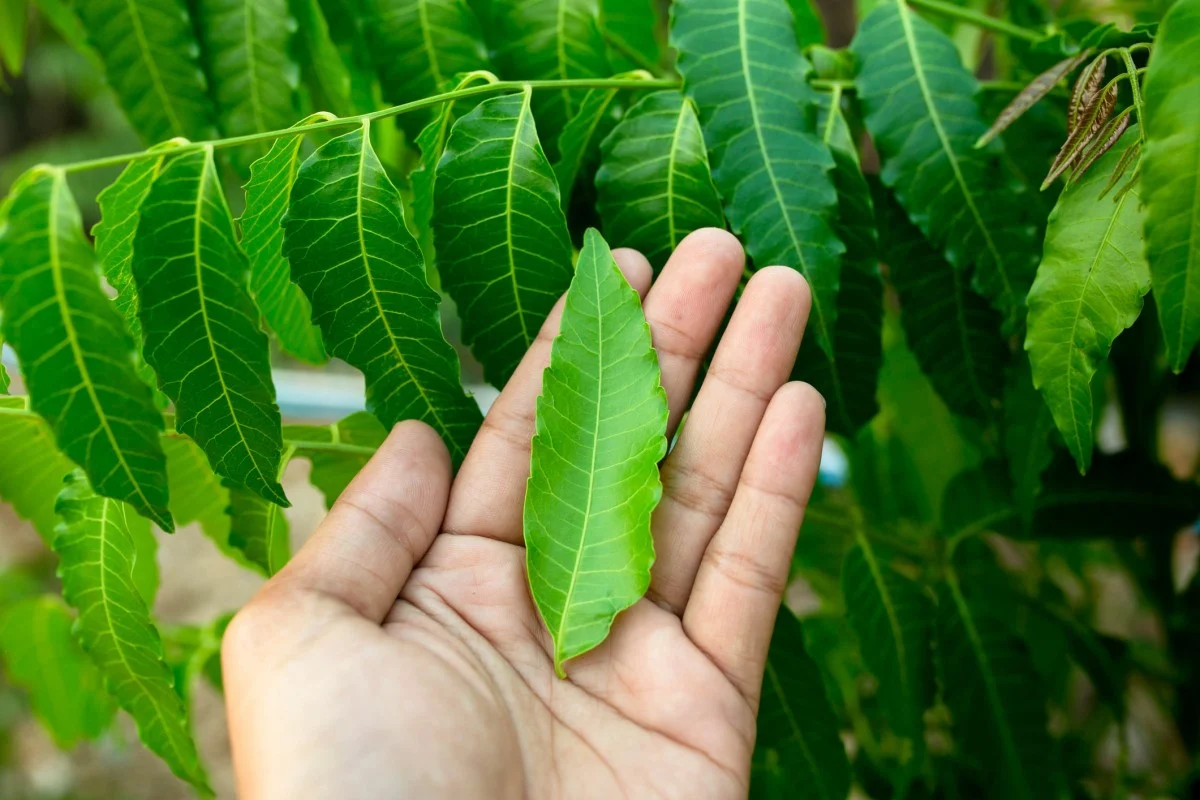
Neem is an Ayurvedic medicine used for treating a number of diseases and disorders. This tropical plants leaves, flowers, roots, bark, seeds, and oil have anti-inflammatory, antimicrobial, and wound-healing properties. Neem oil is a promising tool to treat scleroderma skin ulcers and neem extract helps reduce acne. It could also be a potential treatment for cancers.
You can consume the apical leaves of the neem tree. Wash them thoroughly and blend them to make a paste. Consume ¼ teaspoon of this paste first thing in the morning. You can mix it with honey to cut the bitter taste. Add it to smoothies. You can also boil washed neem leaves and prepare an extract. Apply this extract to the skin or use the extract in a bath.
6. Avocado
The buttery, nutty-tasting avocados are rich in vitamins A, E, C, K, B-6, folate, niacin, pantothenic acid, riboflavin, choline, lutein, potassium, magnesium, sodium, phytosterols, monounsaturated fats, and polyunsaturated fats. The healthy fats in avocados aid in healthy aging. They also prevent sun damage, keep the skin soft and supple, while also strengthening and rejuvenating the skin.
You can consume avocados in a salad, Frankies, smoothies, etc., or apply avocado face masks to get clear, hydrated, and glowing skin.
7. Leafy Greens
Leafy greens like spinach, arugula, cabbage, lettuce, kale, radish greens, beetroot greens, etc. are a great source of vitamins A and E and minerals. Leafy vegetables are rich in beta carotene and help scavenge harmful free oxygen radicals, thereby slowing down aging, skin wrinkling, and even skin cancer.
Consume leafy greens, raw or blanched, in salads and smoothies every day. Add different types of leafy greens to get all the nutrients each leafy vegetable has to offer.
8. Nuts And Seeds
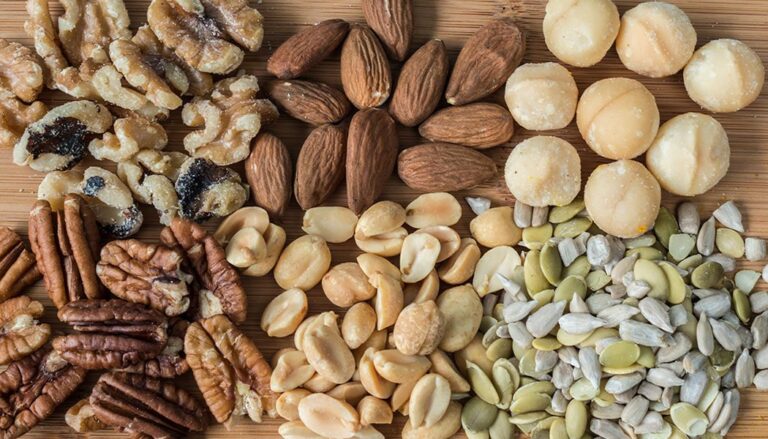
Nuts and seeds like almonds, pistachios, sunflower seeds, chia seeds, and flax seeds are rich in polyunsaturated fatty acids (PUFA), protein, dietary fiber, vitamins, and minerals. While PUFA help reduces inflammation, dietary fiber helps the gastrointestinal system work properly by improving the gut microbiota. With reduced inflammation and good gut function, skin problems like acne, psoriasis, atopic dermatitis, etc. can be kept at bay.
Consume mixed nuts and seeds every day. You can soak them in water overnight and consume them as they are or add them to smoothies and salads. Applying almond paste to your skin also helps reduce dryness and makes the skin supple and radiant.
9. Black Pepper
Black pepper is extensively used as a seasoning, but did you know that it can also help improve your skin? It possesses antimicrobial, anti-inflammatory, antioxidant, antidepressant, and gastroprotective properties. These properties of black pepper make it one of the ideal spices to achieve clear skin. Black pepper also helps protect the skin from damage due to UV rays, stress hormones, or inflammation.
Add black pepper to your soup, smoothies, eggs, salad, stew, sandwich, burritos, etc. to bring out the flavours of other foods as well as improve your skin.
10. Berries
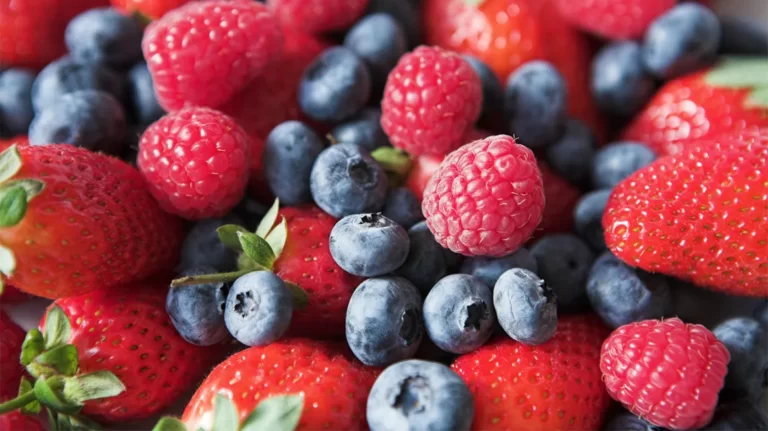
Blueberries, strawberries, acai berries, blackberries, goji berries, gooseberries, cranberries, and raspberries are a rich source of vitamin C, tannins, dietary fiber, phenolic acids, and flavonoids. This high antioxidant profile of the berries makes them essential for improving skin health and delaying skin aging. They also combat DNA damage and help reduce the risk of skin cancer.
Include berries in your smoothie bowls, smoothies, salads, etc.